Reading list Books I Recommend.
Students often ask me which books to read. These are the ones I point them to. Some go with the courses I teach, and some are just the technology I’m most interested in. You don’t need to be in one of my classes to benefit from them.
Each title links to its publisher’s page, and there are links to buy it from several stores. None of these are affiliate links, so I don’t make any money from your clicks or purchases.
The command line and shell scripting
-
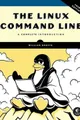
The Linux Command Line
If you’re new to the terminal, start here. It takes you from your first commands to writing your own shell scripts.
-
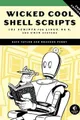
Wicked Cool Shell Scripts
Once you know the basics, this is 101 working scripts for Linux, macOS, and Unix that you can read, run, and change.
-
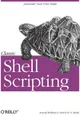
Classic Shell Scripting
How to write portable shell scripts that combine the standard Unix tools to process text and automate real work.
-
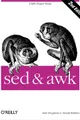
sed & awk
For anyone who works with text files and logs: sed for editing streams of text, awk for pulling out fields and building reports. It covers the POSIX and GNU versions of both tools.
-
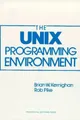
The UNIX Programming Environment
The classic guide to working the way Unix was meant to be used, from the shell and filters like grep, sed, and awk to writing your own programs in C.
System administration and how Linux works
-
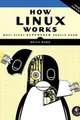
How Linux Works
For when you can use Linux and want to know what happens underneath: how it boots, what the kernel does, and how devices, processes, networking, and storage work.
-
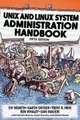
UNIX and Linux System Administration Handbook
The big reference for running real systems, from storage, networking, and DNS to security, web hosting, and configuration management. Keep it on the shelf and look things up as you need them.
Editors and regular expressions
-
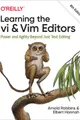
Learning the vi and Vim Editors
For learning the editor you’ll find on every Unix and Linux system, from basic editing in vi to Vim’s windows, macros, and scripts.
-
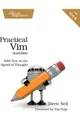
Practical Vim
Once you can get around in Vim, this shows you how to work faster, one short tip at a time.
-
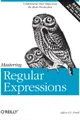
Mastering Regular Expressions
For going deep on regular expressions: how the matching engine works, how the flavors differ between tools and languages, and how to write patterns that are both correct and fast.
General computing
-
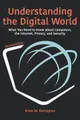
Understanding the Digital World
A clear tour of how hardware, software, and networks work, and what that means for your privacy and security.
-
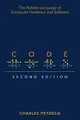
Code
Builds a computer from the ground up, starting with flashlights and telegraph relays and working up to processors and software.
-
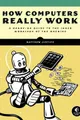
How Computers Really Work
For understanding the machine itself, from circuits and memory to machine code, operating systems, and the internet, with hands-on projects along the way.
Programming
-
Python Crash Course
If you’ve never programmed, this gets you writing Python quickly, then has you build real projects: a game, data visualizations, and a web app.
-
How to Design Programs
Teaches a step-by-step way to design programs, from a problem statement to tested code, using teaching languages built for beginners.
-
The Little Schemer
Teaches recursion and thinking in functions through a playful question-and-answer dialogue in Scheme.
-
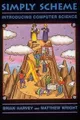
Simply Scheme
A friendly first course in computer science for people with no programming experience, using Scheme so you can focus on ideas instead of syntax.
Buy: Amazon
-
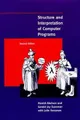
Structure and Interpretation of Computer Programs
The classic MIT introduction to the big ideas of computing, worked through in Scheme, from higher-order procedures to building interpreters and compilers. MIT Press also sells a 2022 JavaScript edition.
-
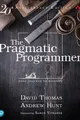
The Pragmatic Programmer
Practical habits for working programmers, from writing code that’s easy to change to testing, debugging, and working with a team.
Artificial intelligence
-
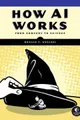
How AI Works
Explains how today’s AI works, from early machine learning to systems like ChatGPT, without the heavy math or jargon.
-
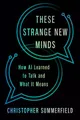
These Strange New Minds
An insider’s look at large language models: where they came from, what they can and should do for us, and where they might be headed.
-
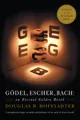
Gödel, Escher, Bach
Hofstadter weaves together math, art, and music to ask how meaning and minds can come from formal rules, the same question at the heart of AI.
-
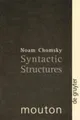
Syntactic Structures
Chomsky’s short classic that describes language as a system of formal rules. Those ideas shaped how we define programming languages, and they’re still part of the debate about how AI handles language.
Security
-
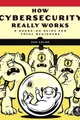
How Cybersecurity Really Works
A hands-on guide for total beginners: how attacks like phishing and malware work, and how to defend against them, without the jargon.
-
The Code Book
The history of secret codes, from ancient Egypt to quantum cryptography, and the effect they’ve had on wars, nations, and people.
-
A Hacker’s Mind
Schneier takes the hacker’s way of thinking beyond computers, showing how the powerful bend society’s rules and how the rest of us can bend them back.
-
Data and Goliath
How governments and companies collect your data, what that means for your privacy and security, and what we can do about it.
-
Click Here to Kill Everybody
What happens to security when cars, medical devices, and everything else are connected to the internet, and the policies Schneier thinks we need.
-
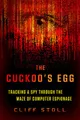
The Cuckoo’s Egg
The true story of an astronomer who followed a 75-cent accounting error to a hacker breaking into US networks, and tracked him down.
-
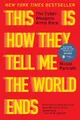
This Is How They Tell Me the World Ends
A reporter’s look at the cyberweapons arms race and the market for the software flaws that governments buy and use.
Computing history and open source
-
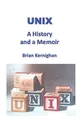
UNIX: A History and a Memoir
How Unix was created at Bell Labs, told by someone who was there.
-
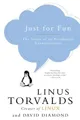
Just for Fun
Torvalds tells the story of how he created Linux, in his own words.
-
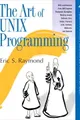
The Art of UNIX Programming
Raymond lays out the design rules behind Unix and the culture that grew up around them, with lessons drawn from real programs.
-
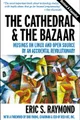
The Cathedral & the Bazaar
Raymond’s essays on open source: how it gets built, why it works, and the economics behind it.
Learning and note-taking
-
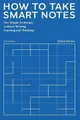
How to Take Smart Notes
A simple note-taking method, the slip-box, that helps you learn, think, and write better.
-
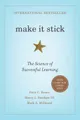
Make It Stick
What learning research says about studying: why rereading falls short, and how practice and recall make learning last.
-
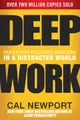
Deep Work
Newport makes the case for focused, distraction-free work and gives rules for building that habit.
Habits and growth
-
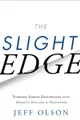
The Slight Edge
It’s a little repetitive, but it really drives home why consistency matters: small choices made every day add up over time. My own takeaway, not a line from the book, is that consistency is a superpower.
-
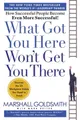
What Got You Here Won’t Get You There
For people who are already doing well: the habits that can hold you back as you move up at work, and how to change them.